What kittens learn in those weeks
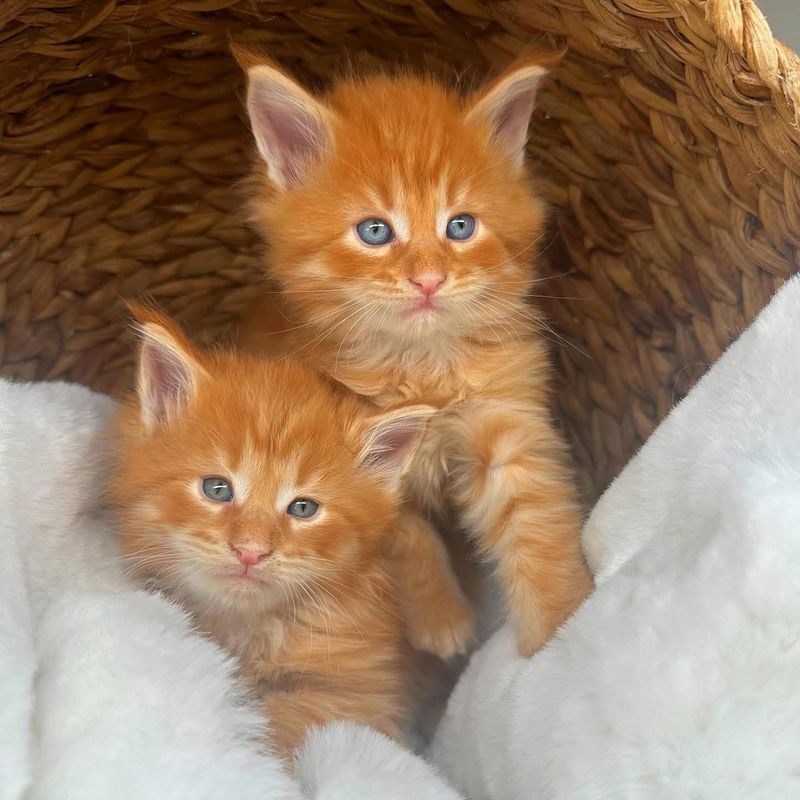
A kitten's socialization period begins at two weeks and ends between seven and ten weeks, according to the Cat Fanciers' Association. What a kitten gets used to then, such as people, handling and household sounds, shapes how it reacts later.
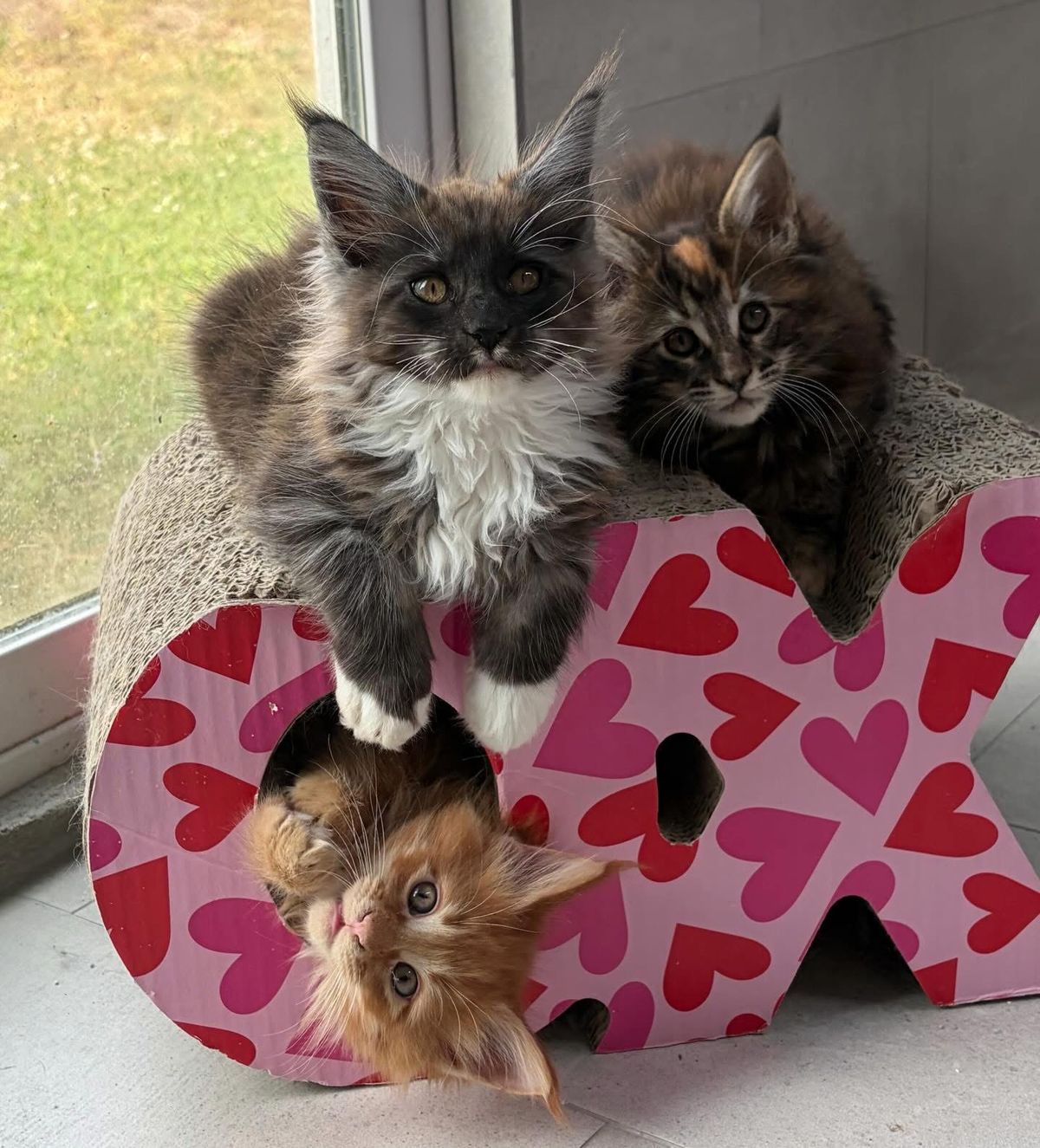
Learning doesn't stop there. Play with littermates teaches a kitten how hard to bite and when to stop, and time with its mother teaches it how a cat behaves. A kitten that stays until 12 weeks has more of that time, and it goes to its new home with more confidence.
Vaccines come in a series
A kitten isn't protected after one shot. The AAHA/AAFP vaccine guidelines start core vaccines no earlier than 6 weeks and repeat them every 3 to 4 weeks until 16 to 20 weeks of age.
CFA notes that a kitten's immune system begins working on its own at about 12 weeks, when it is no longer protected by its mother's immunity. Keeping a kitten until then means several of its vaccines are done before it meets new germs in a new home. Your vet will finish the series.
Is 12 weeks too old to get a kitten?
No. A 12-week-old kitten is still very young, with most of its growing still to come. It has plenty of time to bond with your family.
If a seller offers a much younger kitten
Ask why. A kitten going home very young has had less time with its mother and littermates, and fewer of its vaccines. Very young kittens on offer are also one of the warning signs in our guide to spotting a kitten scam.
How we do it
Kittens born in our home go home at 12 weeks. Kittens from our family's cattery in Russia come at four months or older, already spayed or neutered. You don't have to wait to get to know your kitten: we do video calls, and you can visit us 9 am–7 pm, every day. Every kitten comes with:
- Vaccines up to date
- Microchip
- 1-year health guarantee
- Medical records
- A sample of their kitten food
- Fecal test and blood work
- Socialized from day one, in our home or our family's cattery